ALL-IN-ONE HEAT PUMP
NEXT-GENERATION POWERFUL HEAT PUMP SOLUTION FOR YOUR BUSINESS
- POWERFUL HEATING
- Breakthrough heating capacity
- RELIABLE COOLING
- Reliable cooling performance
- EFFICIENT COMFORT
- Advanced comfort features, lower energy use
All-in-one heat pump for commercial & multi-family buildings — streamlined installation, enhanced guest & resident experience


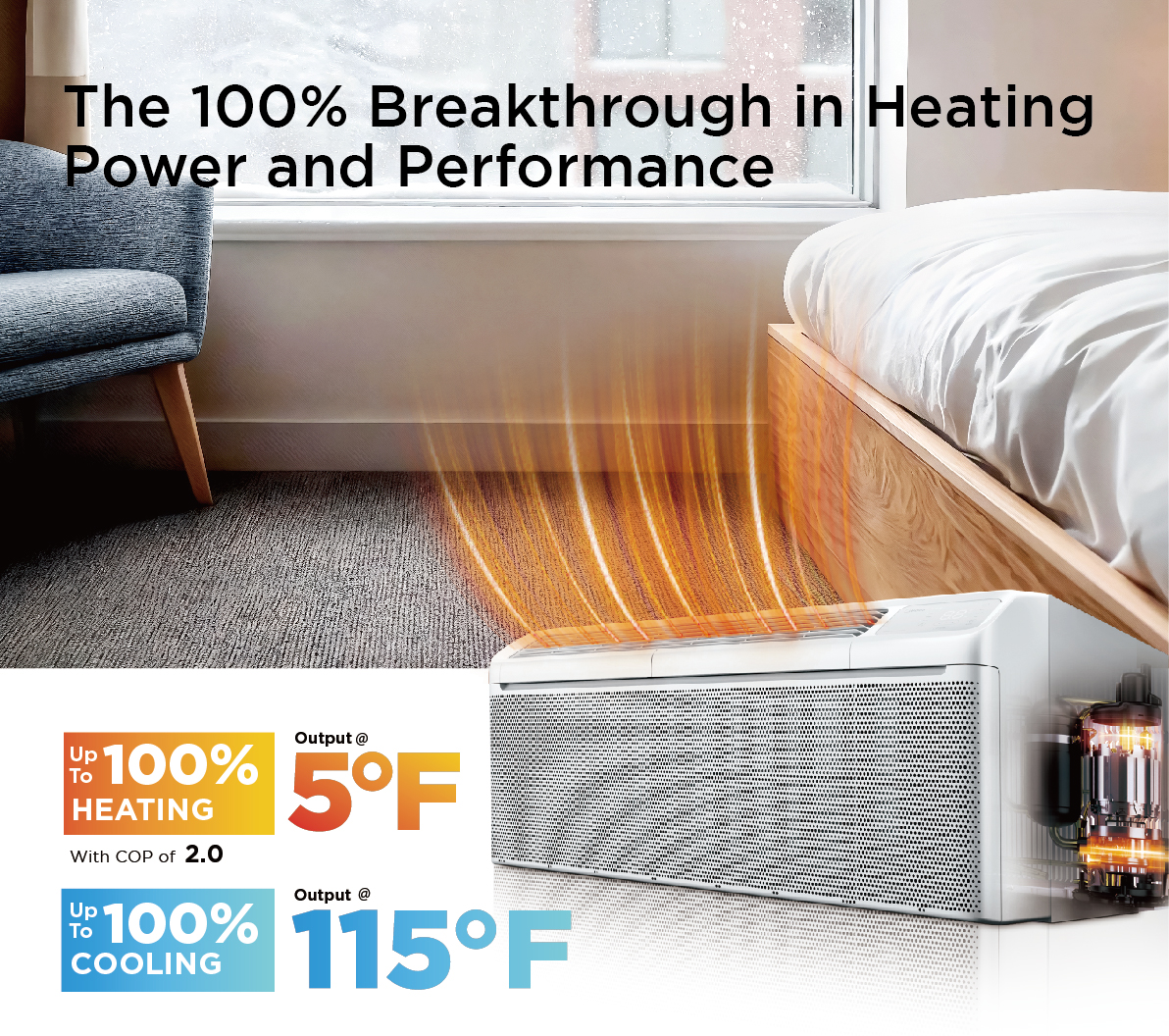
The 100% Breakthrough in
Heating Power and Performance
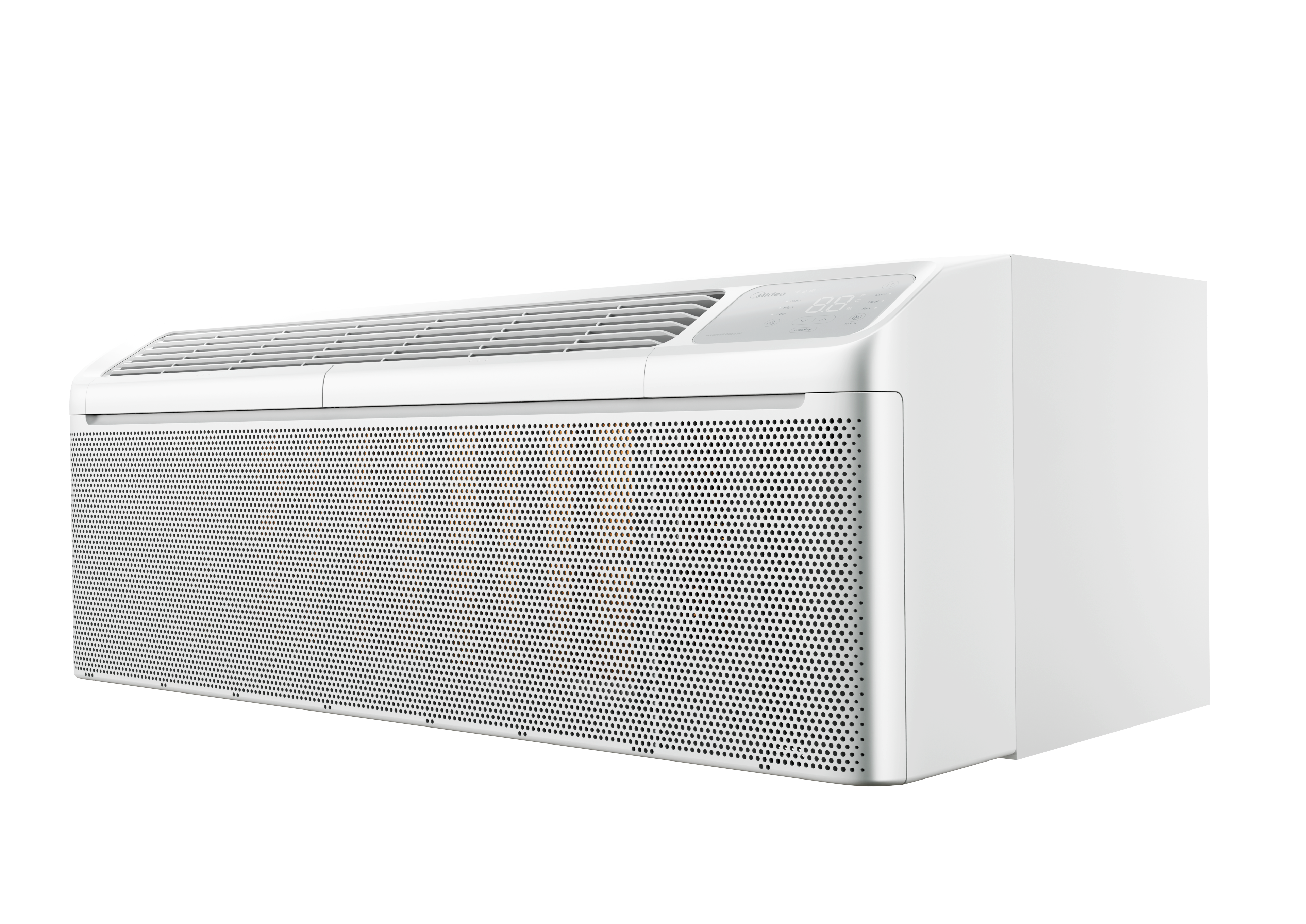
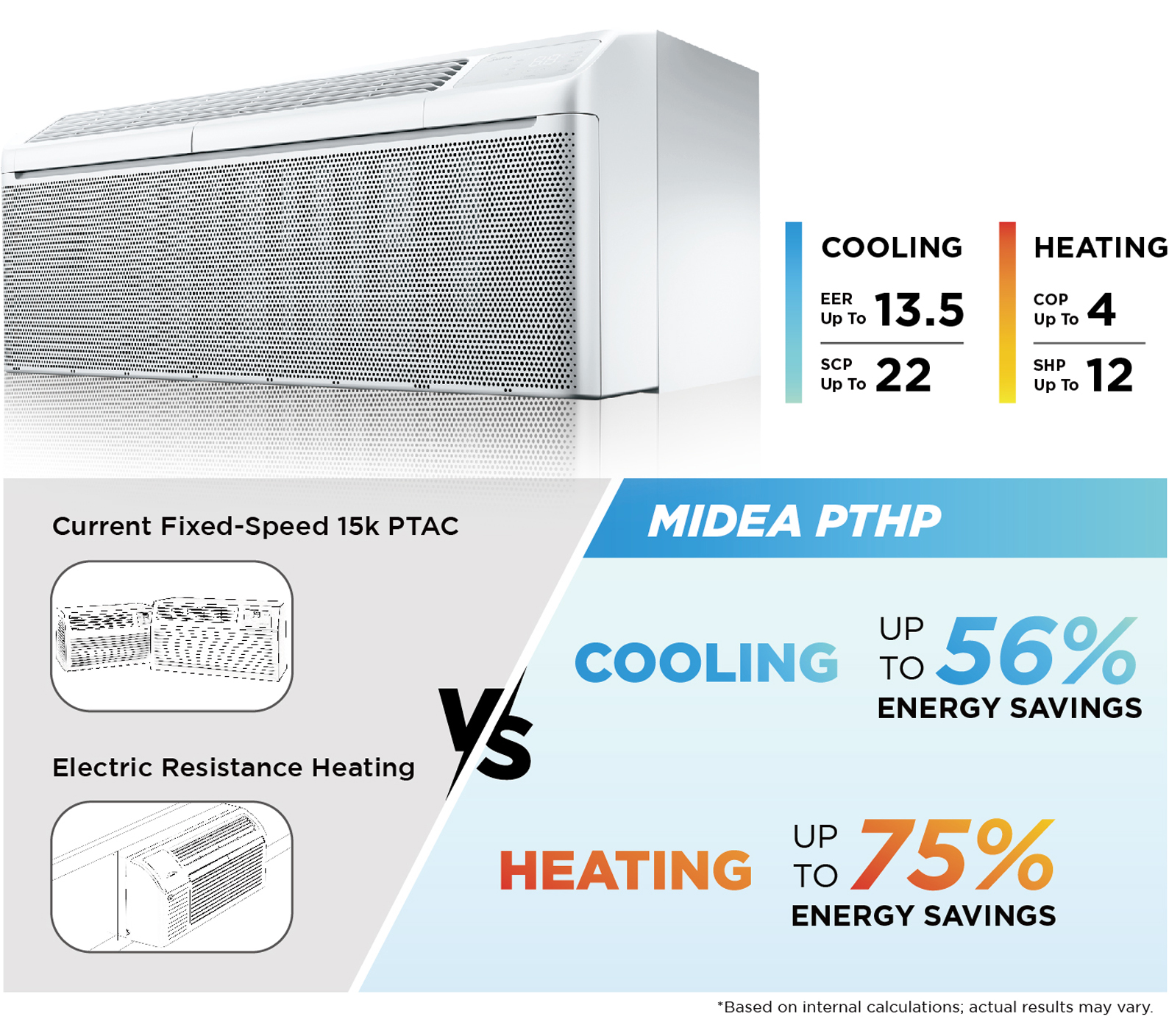
The Midea Packaged Terminal Heat Pump delivers 100% heating at 5°F with COP of 2.0, eliminates electric resistance backup, and simplifies installation with its compact all-in-one design — achieving up to 75% energy savings compared to traditional fixed-speed PTAC units.
Packaged Terminal Heat Pump
·
100% Cooling at 115°F / EER 8.8
·
COP of 2.0 at Low-Temperature Heating
·
Compact All-in-One Design — Simplifies Installation
*
Please contact our authorized distributors for pricing.
Real Heat Pump Performance
All-Climate Performance Without Backup Heat

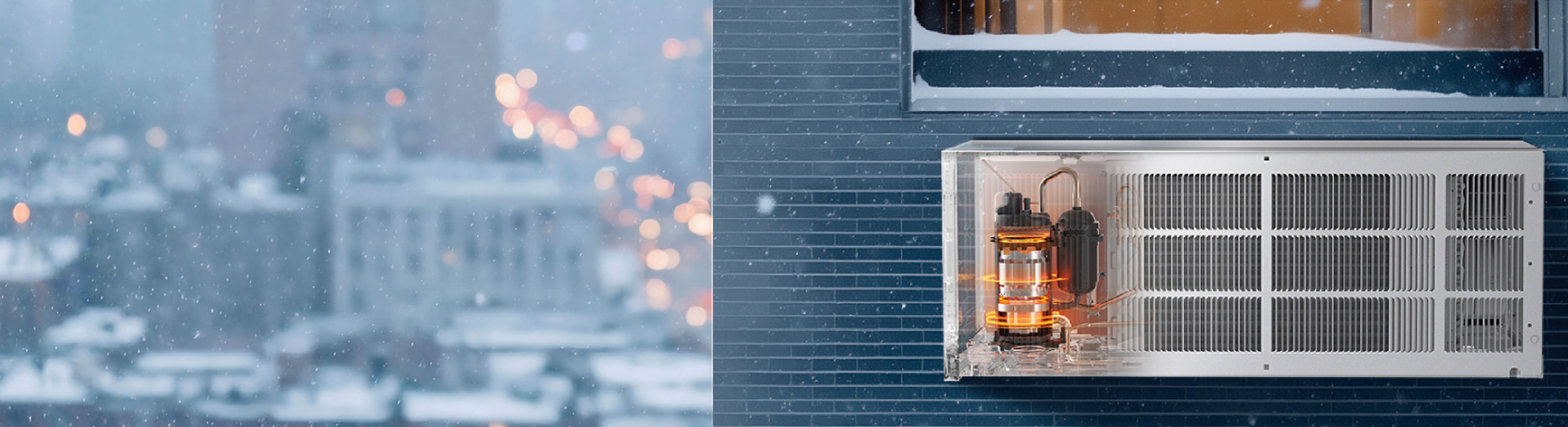
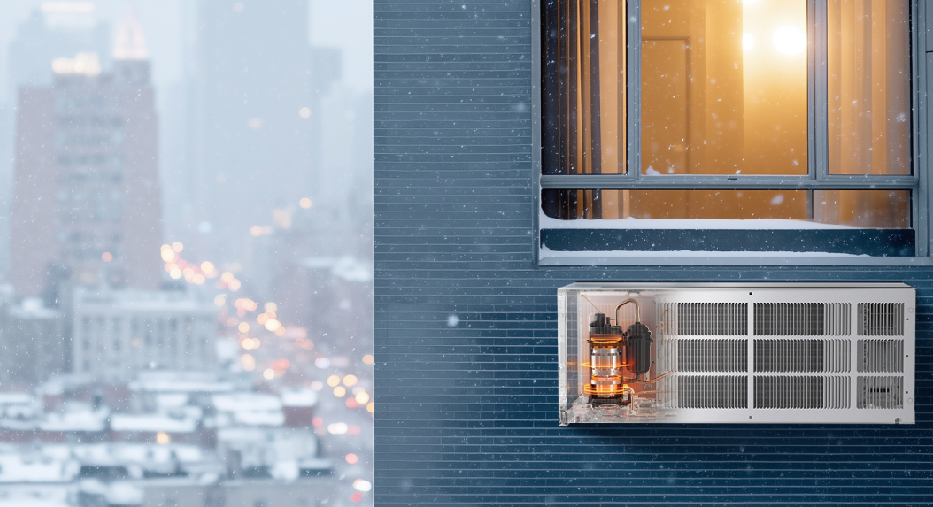
Traditional packaged terminal air conditioners (PTACs) rely on electric resistance backup heating below certain outdoor temperatures, significantly increasing energy consumption in winter. The Midea PTHP's EVI-driven heat pump operates from 5°F to 115°F (−15°C to +46°C), eliminating backup heat costs and reducing overall HVAC energy use by up to 75% compared to conventional electric resistance systems.
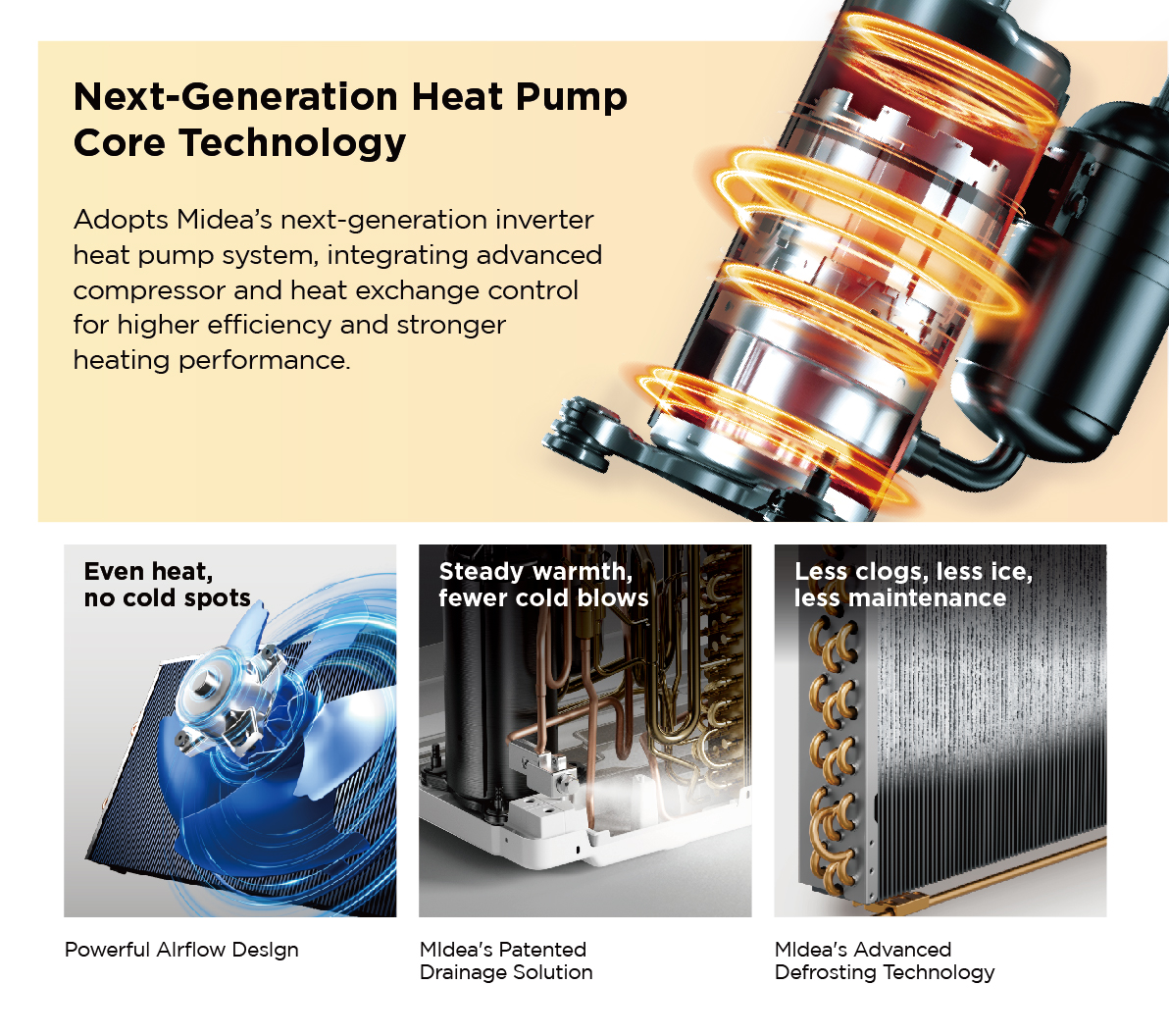
DRIVE BY NEXT-GENERATION HEATING TECHNOLOGY

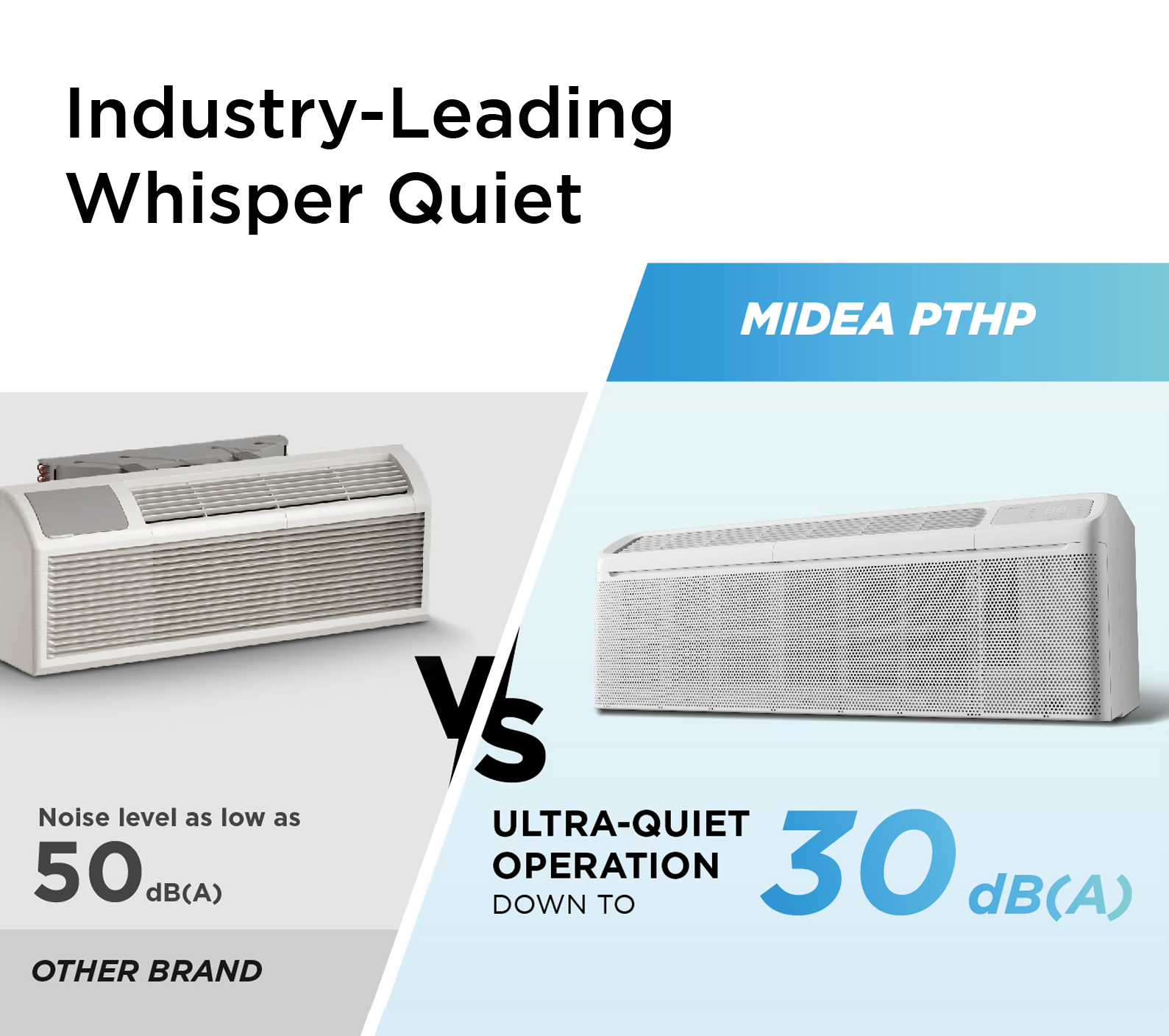
Quiet Operation for Hospitality Environments:

Operating as quietly as 30 dB(A) with Sound Transmission Class (STC) ratings up to 31, the Midea PTHP is engineered to maintain guest comfort. The low-noise profile makes it suitable for hotel guest rooms, senior living, and multifamily units where acoustic performance directly impacts occupant satisfaction and property reviews.
Self-Heated Condensate Management:
INDUSTRY-LEADING EFFICIENCY.
RELIABLE PERFORMANCE.

A self-heated condensate misting design prevents ice buildup in extreme cold conditions, reducing maintenance calls and improving reliability in northern climates where outdoor drain lines can freeze.
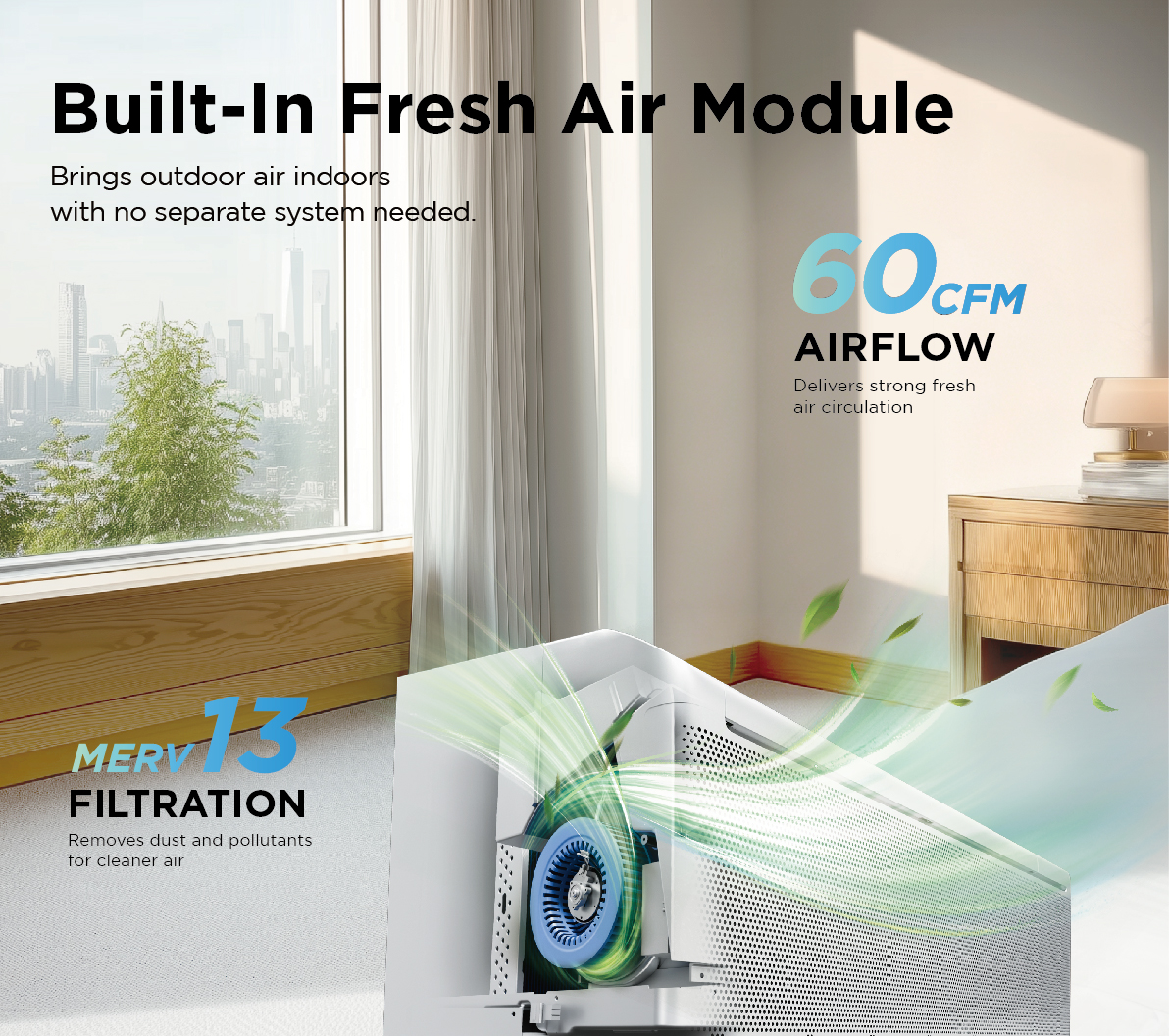
Integrated Fresh Air & MERV 13 Filtration:
ALL-IN-ONE FRESH AIR SYSTEM

The Midea PTHP includes an integrated fresh air system delivering up to 60 CFM of outside air filtered through MERV 13 — equivalent to hospital-grade air filtration. This supports indoor air quality compliance pathways for hospitality and multifamily properties.
Simplified Property Management
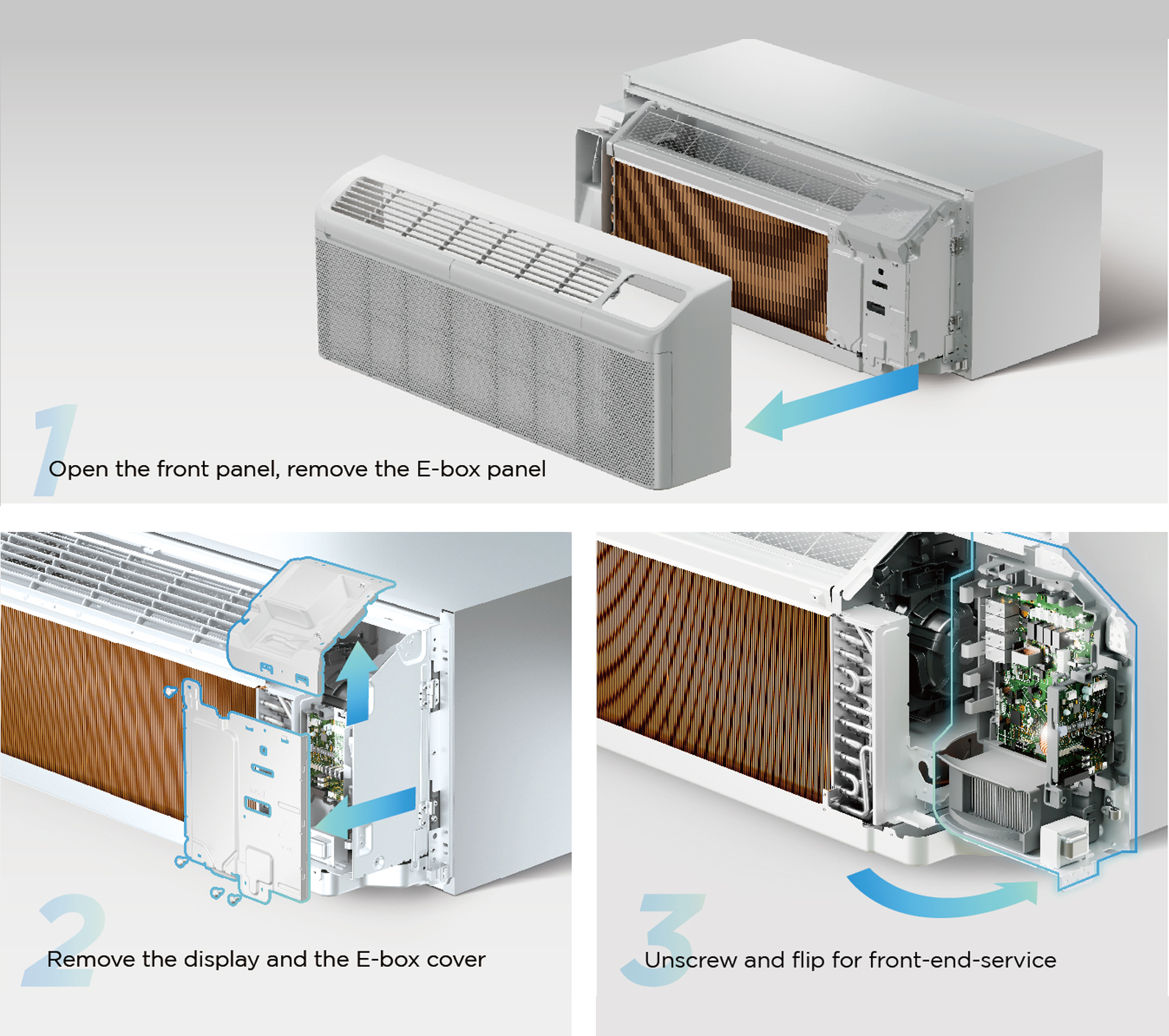
FRONT-ACCESS PCB IN JUST 3 STEPS

Front-access serviceability and a rotating PCB allow technicians to service or replace components without removing the unit from its sleeve — minimizing room downtime and reducing labor costs for property maintenance teams.
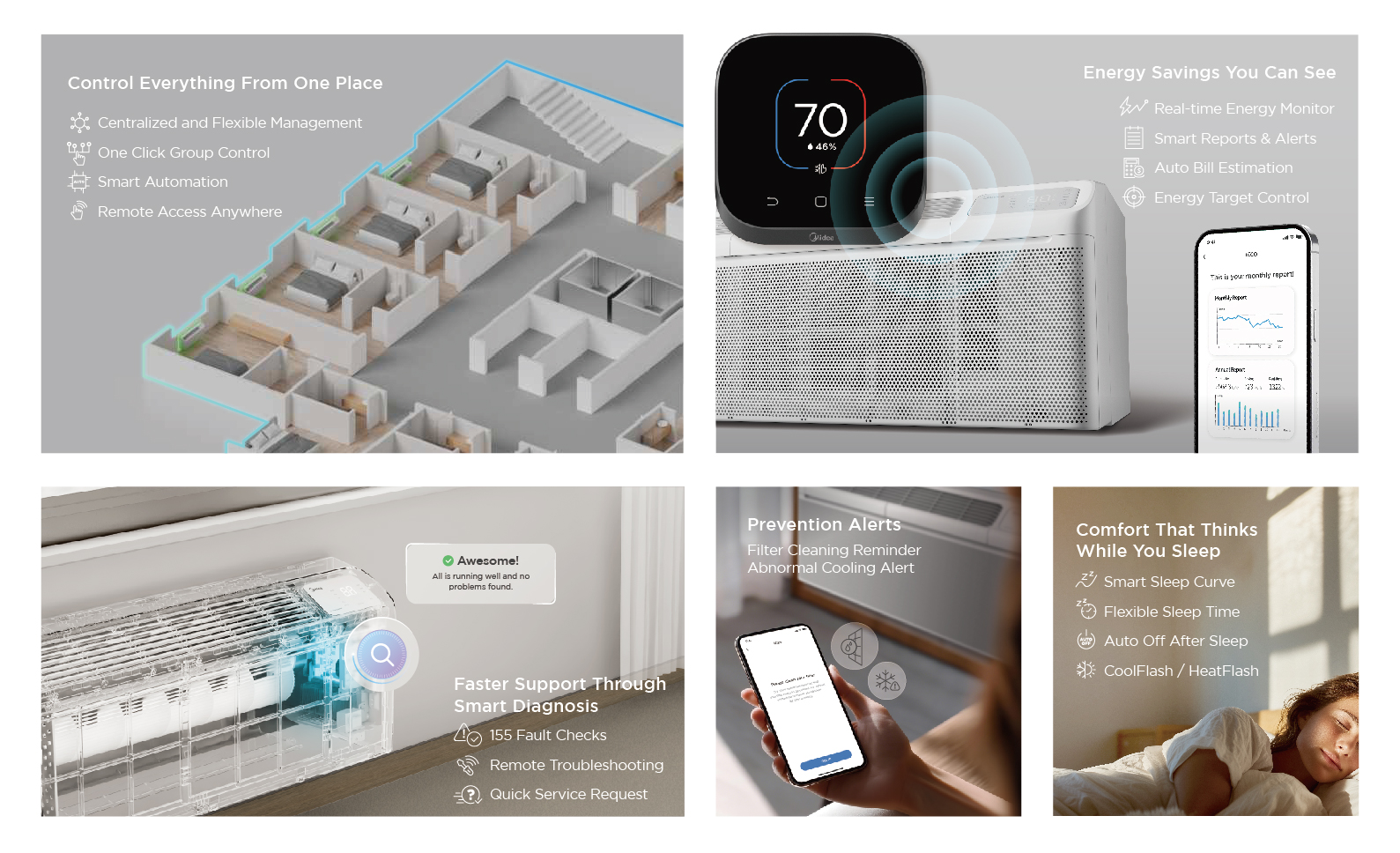
SMARTER MANAGEMENT
FOR EVERY ROOM

FAQs
Q1: What is the Midea PTHP?
A: The Midea PTHP is a self-contained heat pump for hotel rooms and multifamily units. Using EVI technology, it delivers 100% heating at 5°F without backup heat, with up to 75% energy savings vs. conventional electric resistance systems.
Q2: How does the PTHP differ from a standard PTAC?
A: Conventional PTACs use electric resistance backup when temperatures drop, wasting energy. The Midea PTHP maintains 100% heat pump output at 5°F (−15°C), eliminating resistance heat costs. It also operates at 30 dB(A) quiet and includes MERV 13 filtration.
Q3: Is the PTHP suitable for hotel rooms?
A: Yes. At 30 dB(A) and STC 31, it is engineered for quiet hotel operation. Front-access maintenance avoids room displacement during service calls.
Q4: What filtration does the PTHP include?
A: An integrated fresh air system delivers 60 CFM filtered through MERV 13 — hospital-grade air filtration for improved indoor air quality.
Q5: How much energy does the PTHP save?
A: Up to 75% less energy than conventional electric resistance heating, because EVI heat pump technology moves heat rather than generating it — delivering multiple BTUs of heat per BTU of electricity consumed.
Download Product Brochure